

Generac Standby Generator Florida: Benefits of a Whole-Home Setup
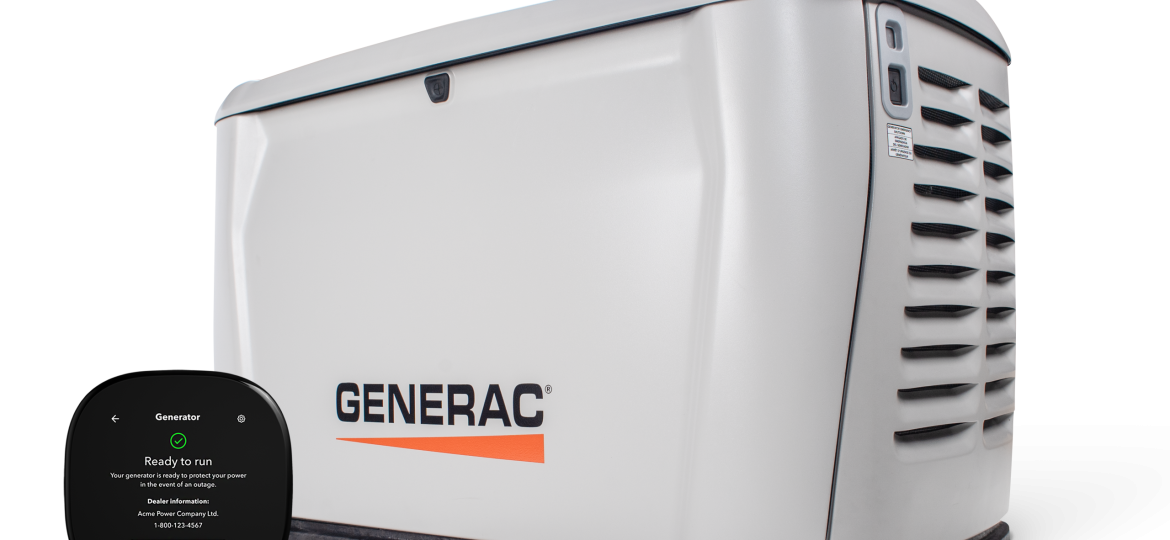
Generac standby generator Florida homeowners choose when they want automatic backup power through hurricanes, summer storms, and grid failures without hauling portable units or refueling cans. Sunprise installs Generac® standby generators as a licensed Florida contractor with in-house electrical crews. Sunprise appears on the official Localizador de distribuidores Generac como SUN4 INC at our Oldsmar office. This guide explains how a properly sized whole-home or essential-circuit setup works, what benefits matter in Tampa, Orlando, Miami, and statewide, and how installation should be planned.
Financing options may be available for qualified homeowners. Subject to credit approval. For a site review and scope tied to your home, explore Generac generator options with Sunprise. Licensed in-house crews handle sizing, permits, and commissioning statewide.
FLORIDA BACKUP POWER
Why a Generac Standby Generator Florida Home Needs Backup Power
Florida leads the nation in weather-related power outages. Hurricanes, tropical storms, afternoon lightning, and aging grid equipment can leave homes without electricity for hours or days. When air conditioning stops, indoor humidity rises quickly. Refrigerated food, well pumps, garage doors, and medical equipment all depend on steady power.
In Tampa, Orlando, Miami, and coastal counties, restoration timelines often stretch longer after major storms because crews must clear debris, replace poles, and rebuild feeder lines before neighborhoods come back online. A single afternoon thunderstorm can knock out a transformer serving a few dozen homes. Either way, the comfort and safety gap is the same: no AC, no refrigeration, and limited ability to charge phones or run medical devices.
Portable generators can help in short outages if you manage fuel, extension cords, and manual connection safely. Whole-home standby systems are designed to start automatically when utility power fails and shut down when it returns. That difference matters when you are away from home or when an outage arrives at night.
Florida building officials and AHJs enforce electrical and fuel installation standards for permanent generators. Work performed without permits may complicate insurance claims or resale disclosures. Planning backup power before storm season gives you time to pull permits, schedule gas line work, and complete commissioning without rushing ahead of a named storm.
Emergency planners recommend household preparedness before storm season. Review checklists from FEMA and your county emergency management office alongside your backup power plan. Generac also publishes a residential storm preparedness guide with fuel and maintenance reminders for standby owners.
Core Benefits of a Generac Standby Generator Florida Installation
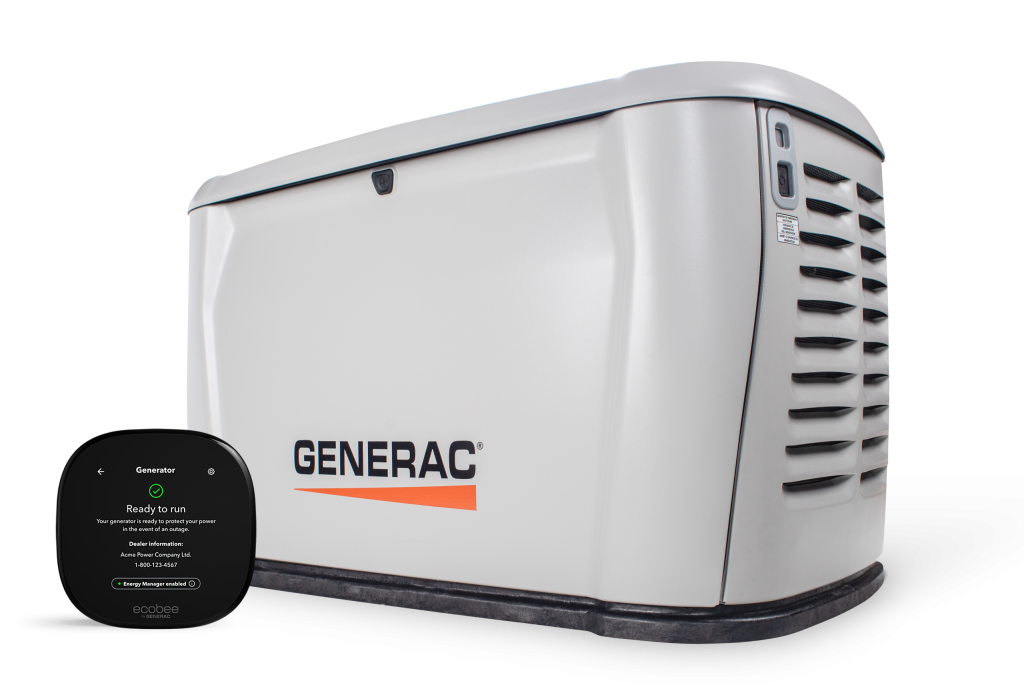
Generac Guardian series home standby units connect to your existing natural gas line or liquid propane supply. Within seconds of sensing a utility loss, the system can energize selected circuits or the whole home through an automatic transfer switch. Key benefits for Florida homeowners include:
Automatic operation. No manual cord routing in wind or rain. The generator exercises on a schedule and is ready when the grid drops. You do not need to be home to start backup power.
Continuous fuel supply. Natural gas or LP eliminates repeated gasoline runs during multi-day outages, when fuel stations may be closed or lines are long. That can matter more in rural Marion, Pasco, or St. Lucie areas where travel distances are greater.
Whole-home or essential-circuit coverage. Load analysis determines whether you power HVAC, refrigeration, lighting, sump pumps, and selected outlets or the full service. Essential-circuit designs may cost less to install while still protecting comfort and safety loads.
Remote monitoring. Generac Mobile Link allows status checks from a phone or computer when the feature is enabled on your model. Connectivity depends on local signal and account setup. Monitoring does not replace periodic professional maintenance.
Storm-season readiness. Generac publishes storm preparedness resources for residential standby systems. Runtime during extended events depends on fuel supply, load, and maintenance. LP tanks must be sized for expected outage duration at your planned load.
Code-compliant integration. A listed automatic transfer switch isolates your home from the utility during generator operation, protecting line workers and meeting Florida Electrical Code requirements when installed under permit.
Results vary by home size, fuel type, utility rules, and how much load you assign to the generator. A licensed installer should model your actual usage rather than relying on generic online calculators alone. Generac buyer guides describe product families and fuel options; your installer translates those into a site-specific design.
For many Florida families, the primary benefit is predictability: when the grid fails, critical systems keep running without improvising extension cords in the dark. That peace of mind is especially valuable for households with seniors, infants, or medical equipment that cannot tolerate long heat exposure.
How Sunprise Installs a Generac Standby Generator Florida Setup
A code-compliant installation is more than placing a unit beside the house. Sunprise follows the same structured process described on our generators service page:
Load analysis and sizing. We review your electrical panel, critical circuits, and comfort goals so the generator matches demand without unnecessary oversizing. Air conditioning compressors, pool pumps, and electric ranges draw significant starting current. Your design should account for those surges.
Site prep and fuel coordination. A level pad, clearances, and gas line pressure checks are completed with your fuel provider where required. Natural gas installations may need utility coordination for meter capacity. LP installations require tank placement that meets setback rules and refueling access.
Electrical integration. Licensed electricians install the automatic transfer switch and tie-in to your main panel per local Authority Having Jurisdiction (AHJ) rules. Conduit routing, grounding, and labeling must pass inspection before energizing.
Live outage simulation. We test automatic start, transfer, and re-transfer when utility power returns before final sign-off. You should know how long startup takes and which circuits are active in your chosen configuration.
Permits and inspections are pulled through your county AHJ. Verify contractor licenses on the Florida DBPR license lookup before work begins. Florida Building Code and local amendments govern fuel piping, electrical bonding, and generator placement relative to windows, doors, and property lines.
After commissioning, keep maintenance records and warranty registration paperwork with your homeowner files. Generac recommends periodic service intervals based on model and runtime. Neglected oil changes or clogged filters can shorten equipment life and may affect warranty claims handled by the manufacturer per product terms.
Standby vs Portable Generators and Solar Batteries
Portable generators cost less upfront but require manual setup, fuel storage, and safe placement away from windows and doors. Carbon monoxide risk and noise are ongoing concerns during long outages. You must store gasoline safely, rotate fuel, and connect through approved transfer equipment if you want to feed house circuits. Many portable setups only power a few appliances through extension cords.
Standby generators sit on a fixed pad with permanent fuel plumbing and an automatic transfer switch. They start without you flipping breakers in the rain. For Florida homeowners who travel frequently or have mobility limitations, that automation is often the deciding factor.
Solar batteries store daytime production for evening use. They may help with short outages when paired with solar, but extended cloudy periods or hurricane damage to the array can limit backup duration. Generators and batteries solve different problems. Read our comparison post on generators vs solar batteries in Florida for a side-by-side look.
Some homeowners combine solar, storage, and standby generation for layered resilience. Solar may reduce everyday utility purchases while the generator covers multi-day grid failures. Net metering rules affect how solar exports are credited during normal operation; see our net metering vs net billing guide if you are evaluating solar at the same time.
Neither option removes the need for licensed design and permitting. Batteries and generators both interconnect with your main panel and must meet utility and AHJ requirements. A single contractor who understands your full electrical picture may reduce conflicting assumptions between trades.
Planning Generac Standby Generator Florida Work With Roofing or Remodeling
Generator pads, conduit paths, and gas line routing are easier when coordinated with other construction. If you are replacing a roof in Florida, planning pad location and cable penetrations before shingles are complete may reduce later disruption. Roof projects already involve scaffolding, dumpster placement, and electrical mast work near the service entrance. Adding conduit runs while crews are on site can avoid a second round of ladder time.
During a home remodel, panel upgrades or circuit additions can be timed with transfer switch installation so you pay one mobilization cost. Kitchen and addition projects often require subpanel work or service upgrades. Sizing those upgrades with future generator load in mind prevents costly rework later.
Landscaping and hardscape plans should leave maintenance access around the generator and gas meter paths. Shrubs planted too close may violate clearance requirements or block airflow. Discuss final grading with your installer so pad elevation sheds water in Florida afternoon storms.
Sunprise handles roofing, remodeling, electrical, and generator scopes under one licensed team when projects align. That may shorten permit timelines and keep accountability in one place. One project manager can sequence rough-in, inspection, and finish phases instead of juggling separate vendors.
What to Ask Before You Commit to a Generac Standby Generator Florida Project
Request a written scope that includes sizing assumptions, fuel type, transfer switch location, permit responsibility, and warranty references. Useful questions include:
Who performs the gas pressure test and coordinates with the utility or propane supplier?
Which circuits or loads are included in the initial design?
What maintenance schedule does Generac recommend for your model?
How will AHJ setbacks and noise ordinances affect placement?
What documentation do you receive after commissioning?
Who pulls permits and schedules inspections?
How is exercise mode scheduled so neighbors are not surprised by weekly run times?
Compare proposals on scope clarity, not headline equipment size alone. Two installers may quote different kW classes based on different load assumptions. Ask each to show how air conditioning, well pumps, and other large loads were counted.
Sunprise does not publish equipment pricing in this article. Request a consultation through our contact page o generators page for a site-specific quote after load analysis. Financing options may be available for qualified homeowners. Subject to credit approval.
Manufacturer warranty terms apply per Generac product documentation. Sunprise installation work is performed to applicable Florida codes and local inspection requirements. Keep a copy of the final inspection card, as-built one-line diagram, and operator manual where your household can find them before storm season.
Generac Standby Generator Florida FAQ
Sizing depends on total electrical load, fuel type, and whether you want whole-home or essential-circuit backup. A licensed installer performs load analysis on your panel and critical appliances before recommending a kW class. Oversizing wastes fuel; undersizing may trip breakers under peak demand. Generac publishes sizing guidance in its home standby FAQ.
Natural gas connects to your utility line for continuous supply during extended outages when pressure is maintained. Liquid propane uses an on-site tank with finite capacity; runtime depends on tank size and load. Your site survey should confirm gas line pressure, tank location, and AHJ setbacks before equipment selection.
Generac recommends periodic oil changes, filter checks, and exercise cycles per model documentation. Many units self-exercise weekly to keep components lubricated. After major storm use, schedule a professional inspection. Maintenance intervals vary by model and runtime hours.
Sound levels vary by model, enclosure, and distance from living areas. Exercise mode typically runs briefly at scheduled times. Local noise ordinances and HOA rules may affect placement. Your installer should review setback and sound considerations during site planning.
Manufacturer warranty terms apply per Generac product documentation for the specific model purchased. Coverage, duration, and exclusions are defined by Generac, not the installer. Sunprise installation work is performed to applicable Florida codes and local inspection requirements. Confirm warranty registration steps with your dealer at commissioning.
Generators provide automatic backup from NG or LP regardless of sunlight. Solar batteries store daytime production for evening use and short outages. They solve different problems and may be combined in layered designs. Read our generator vs solar battery comparison for details.
Sources and Official References
Generac — Top 6 Benefits of a Backup Generator. Residential standby overview. View article.
Generac — Home Standby Generator FAQ. Automatic operation, fuel, and sizing guidance. View FAQ.
Generac — Residential Storm Preparedness Guide (PDF). Hurricane and extended outage planning. Download PDF.
Generac — Home Standby Buyers Guide (PDF). Product families and fuel options. Download PDF.
FEMA. Emergency preparedness resources for households. View FEMA.gov.
Búsqueda de licencias del DBPR de Florida. Verify electrical and construction credentials. Search licenses.
Código de Construcción de Florida. Local AHJ electrical and fuel installation requirements. View Florida Building.
Sources verified June 2026. Product features and warranty terms change. Confirm details with Generac documentation and your installer before purchase.
Ready to discuss automatic backup power for your Florida home? Sunprise installs Generac standby generators with licensed in-house crews from sizing through commissioning. Explore generator options with Sunprise to schedule a site review.
 English
  Spanish