

Solar para Propietarios Comerciales 2026: Una Guía de Planificación para Florida
Solar for Commercial Owners 2026 is a decision year for Florida facilities evaluating on-site generation, federal tax incentives, and utility interconnection rules. Sunprise installs commercial solar for Florida businesses. We do not currently offer residential solar installation. The residential notes in this guide are informational only.
This article covers 2026 federal credit deadlines, Florida Public Service Commission (PSC) interconnection rules, utility steps, and what to do if your solar contractor stops responding. For system types, installation phases, and local market detail, see our Guía de negocios sobre energía solar comercial en Florida. When your facility is ready for a site-specific review, request a Commercial Solar analysis from Sunprise.
FLORIDA COMMERCIAL ENERGY 2026
Why Solar for Commercial Owners 2026 Matters in Florida
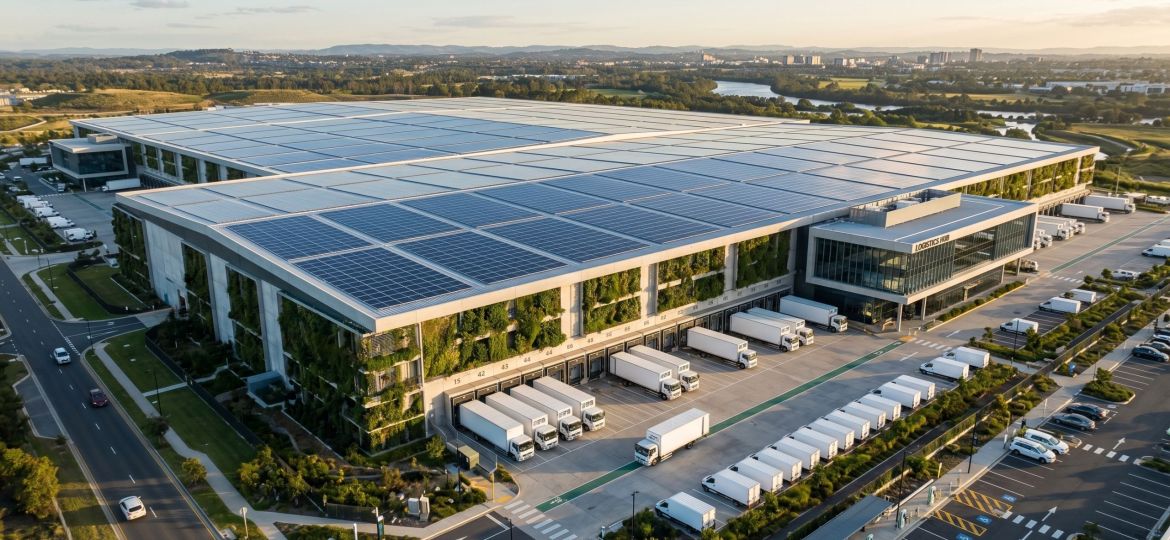
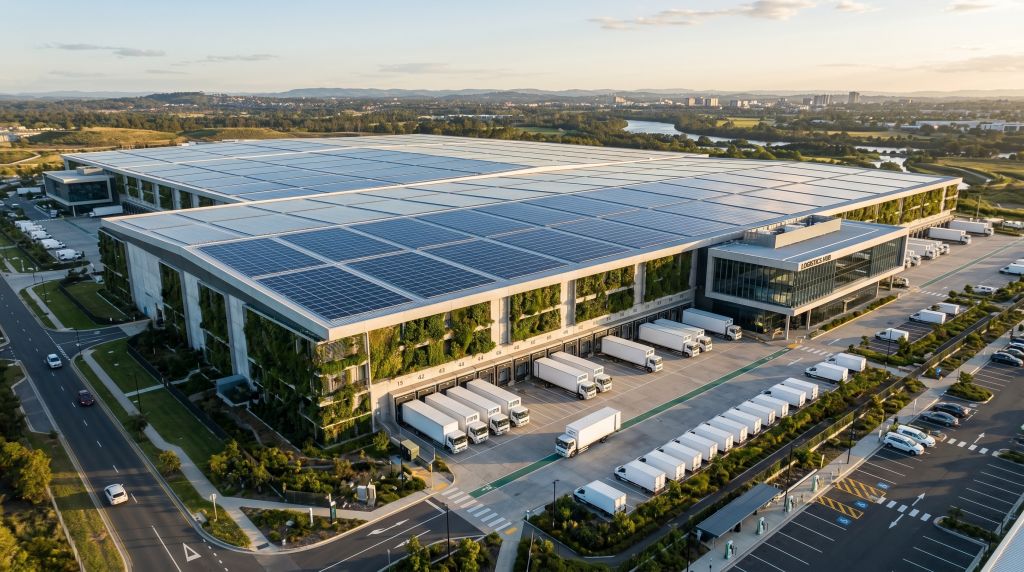
Electricity is a major operating cost for warehouses, retail centers, medical offices, schools, and light industrial buildings across Tampa, Orlando, Miami, and statewide. Utility rates, fuel adjustments, and commercial demand charges can shift month to month. On-site solar may help offset daytime kilowatt-hour (kWh) use when production aligns with your load profile. Results vary by tariff, interval usage, and system size. No contractor can promise a fixed dollar savings without a detailed load study.
Florida also faces long cooling seasons and hurricane exposure. A commercial array should be engineered for wind ratings, roof or ground structural capacity, and safe electrical integration. Commerciales with sustainability reporting goals may use solar as one measurable step toward lower carbon intensity. That does not replace broader energy planning, maintenance, or backup power strategy.
2026 adds urgency on the federal side. The One, Big, Beautiful Bill Act (OBBBA) changed construction and placed-in-service deadlines for the Section 48E Clean Electricity Investment Credit on applicable solar facilities. Commercial owners comparing quotes this year should map project timelines against those IRS rules and confirm eligibility with a qualified tax professional before signing contracts.
Federal Tax Credits and Depreciation for Solar for Commercial Owners 2026
The Section 48E Clean Electricity Investment Credit applies to qualified clean electricity facilities and energy storage technology placed in service after December 31, 2024. The base credit is 6% of qualified investment. The credit may increase up to 30% when prevailing wage and registered apprenticeship requirements are met, with possible adders for domestic content and energy community locations. See the IRS Clean Electricity Investment Credit page (last reviewed January 2026).
OBBBA termination for wind and solar. For applicable solar facilities, the Section 48E credit terminates when the facility is placed in service after December 31, 2027 if construction begins after July 4, 2026. IRS Notice 2025-42 states that taxpayers may establish construction began before July 5, 2026 using the Physical Work Test described in that notice, and must maintain a continuous program of construction. Projects that miss these rules may lose credit eligibility. Consult a CPA before relying on any credit estimate.
Prohibited foreign entity rules. OBBBA added restrictions when construction includes material assistance from a prohibited foreign entity (PFE). Treasury and IRS guidance is in Notice 2026-15. Equipment sourcing and vendor documentation matter for eligibility reviews.
MACRS depreciation. Many businesses also use modified accelerated cost recovery system (MACRS) depreciation on eligible solar property. Depreciation rules interact with tax credits. The U.S. Department of Energy commercial solar tax credit overview summarizes common structures. Your tax advisor should model basis reduction and entity-level treatment.
Direct Pay for tax-exempt entities. Certain nonprofits, governments, and other tax-exempt organizations may use elective pay (Direct Pay) under IRC Section 6417 to receive eligible credits as a cash payment rather than an offset against income tax. Registration and timing rules apply. Eligibility is not automatic.
Residential note. The federal residential solar credit under Section 25D ended for residential systems placed in service after December 31, 2025 per current federal guidance. Sunprise does not install residential systems. Homeowners should verify current rules on energy.gov and with a tax professional.
Tax treatment depends on entity structure, passive activity rules, and project ownership. Sunprise may summarize incentive options during commercial proposals. Eligibility is determined by the IRS and your advisors, not the installer.
Florida Interconnection Rules That Affect Commercial Projects
Investor-owned utilities (IOUs) in Florida follow PSC Rule 25-6.065 for interconnection and net metering of customer-owned renewable generation. The rule defines three tiers by gross power rating: Tier 1 at 10 kW or less, Tier 2 above 10 kW through 100 kW, and Tier 3 above 100 kW through 2 megawatts (MW). Inverter-based gross power rating uses DC nameplate capacity multiplied by 0.85 for AC conversion losses. Full rule text is published by the Florida Solar Energy Center at FSEC Energy Research.
Tier 1 customers shall not be charged interconnection application fees beyond charges applied to non-solar customers. Tier 2 and Tier 3 systems require general liability insurance ($1 million for Tier 2, $2 million for Tier 3 under the standard agreement framework). Tier 2 and Tier 3 may also face utility-approved application fees and, for large Tier 3 projects, interconnection study charges.
Net metering credits kWh exports against kWh imports on your bill. Monthly excess kWh rolls forward for up to twelve months. Unused credits at calendar year end are paid at the utility COG-1 avoided-cost rate. Commercial customers still pay applicable customer charges and demand charges for maximum measured demand during the billing period even when solar offsets energy charges. See our guide on net metering vs net billing in Florida for export credit detail by utility.
Municipal utilities such as JEA in Jacksonville may use different distributed generation tariffs. Cooperative utilities such as Withlacoochee River Electric Cooperative (WREC) and Lee County Electric Cooperative (LCEC) follow FPSC rule frameworks in their tariffs but may have distinct application emails, fees, and annual true-up wording. Always confirm your serving utility before final design.
Steps Before You Sign a Commercial Solar Contract
A sound commercial proposal starts with interval data, not a sales script. Request twelve months of hourly or fifteen-minute usage from your utility or energy manager. Map peak demand windows against estimated production curves. Commercial tariffs in Florida often include demand charges that solar alone may not fully address.
Verify licenses. Confirm Florida electrical and construction credentials through the Florida DBPR license lookup. Ask who holds the permit and who performs the installation.
Utility pre-approval. FPL requires a net metering application before installation. Other IOUs follow similar interconnection agreements. Starting construction without approval can delay permission to operate (PTO).
Structural review. Flat and low-slope commercial roofs need load calculations, penetration plans, and wind uplift compliance with local Authority Having Jurisdiction (AHJ) requirements. Coordinate roof replacement timing if decking is near end of life.
Equipment documentation. UL 1741-listed inverters and IEEE 1547 compliance are standard interconnection requirements. Keep spec sheets, as-built drawings, and warranty registrations.
Realistic production modeling. Review monthly production estimates, assumed degradation, and how export credits apply on your tariff. Compare multiple quotes on engineering scope, not price per watt alone.
Financing may be available for qualified businesses, subject to credit approval. Sunprise does not guarantee approval terms or rates. Compare cash purchase, loan, and lease structures with your accountant based on balance-sheet goals.
When Your Solar Company Closes or Stops Responding
Florida business owners and homeowners have seen regional solar companies close, transfer assets, or stop answering warranty calls. If panels are on your roof but the original installer is gone, you can still protect the asset with documented steps.
Contact your utility. Confirm the interconnection agreement is active in your name. FPL move-in customers with existing systems must apply and sign a new agreement. Duke Energy customers can complete a transfer of ownership interconnection form. Email WREC at rgs@wrec.net or LCEC at LCECNetMetering@lcec.net for cooperative territories.
Pull permit records. Request final inspection status from your county AHJ. An unclosed permit can block resale, insurance claims, or future work.
Call equipment manufacturers. Panel and inverter warranties often survive installer bankruptcy when serial numbers and proof of purchase exist. Register units if you have not already.
Hire a licensed Florida contractor. Use DBPR lookup to find an electrical or solar contractor for diagnostics, inverter replacement, or monitoring restoration. Get a written scope before authorizing roof work.
Review your contract. Note lien status, production guarantee language, and third-party monitoring accounts tied to the old company login.
High-pressure sales tactics are common in residential solar markets. Read our post on solar sales misinformation before signing with any new vendor. Sunprise provides commercial solar service statewide from Oldsmar. We do not take over residential service contracts, but the checklist above applies to any grid-tied system in Florida.
Utility Interconnection Contacts for Florida Commercial Sites
Commercial projects above 10 kW often land in Tier 2 or Tier 3. Insurance, manual disconnect switches, and three-phase service may apply at 50 kW and above on FPL territory. Use official utility portals rather than installer-only submissions when possible.
Florida Power & Light (FPL). Net metering applications start online before installation. Tier definitions, insurance rules, and billing FAQs are at FPL net metering FAQs. Gulf Power and FPL Northwest customers follow FPL programs.
Duke Energy Florida. Interconnection for systems up to 2 MW follows Florida PSC tiers. Apply through Duke Energy Florida renewable interconnection pages at duke-energy.com. Select Florida when prompted.
Tampa Electric (TECO). TECO serves Hillsborough and parts of Polk and Pasco counties under FPSC net metering requirements. Confirm current interconnection forms on tampaelectric.com before submitting designs.
Withlacoochee River Electric Cooperative (WREC). Members submit PDF application packages and net metering agreements to rgs@wrec.net. Annual excess generation may be purchased at Seminole Electric Cooperative avoided cost per WREC solar energy guidance.
Lee County Electric Cooperative (LCEC). Southwest Florida commercial and residential interconnection uses tiered fees ($35 Tier 1, up to $1,000 Tier 2 per tariff). Email LCECNetMetering@lcec.net. See the LCEC solar education page and net metering rider in the 2026 rate tariff.
JEA and other municipal utilities. JEA uses a Distributed Generation policy with export credits at the fuel rate rather than full retail net metering for most new systems. See JEA distributed generation policy. Orlando Utilities Commission, Kissimmee Utility Authority, and other municipals publish separate tariffs. Verify export credit math on your exact rate schedule.
Sunprise commercial installations include utility coordination through PTO. Review our Lutz commercial solar project y Cape Coral commercial installation for documented Florida work at commercial scale.
Why a Construction-Led Partner Fits Solar for Commercial Owners 2026
Commercial solar is a construction and electrical project with a 25-year operating life. The company that sells the proposal should be accountable for permits, AHJ inspections, and post-commissioning support. Sunprise operates as a licensed Florida contractor with in-house crews, not a call center that subcontracts to the lowest bidder.
NABCEP-certified photovoltaic expertise (PV-082418-01934) beyond minimum licensing.
Active Florida licenses #CVC57137, #EC13010258, #CCC1337075 verifiable through DBPR.
Roofing and structural coordination when sustitución de tejados or repairs must precede array installation.
Transparent modeling without zero-bill claims or unverified savings promises.
Facility managers in Tampa, Orlando, Miami, Brandon, and Clearwater can align capital plans across regions with one engineering standard. Request a Commercial Solar analysis when you want a scope tied to your building, tariff, and 2026 incentive timeline.
Solar for Commercial Owners 2026 FAQ
IRS Notice 2025-42 implements OBBBA rules that terminate the Section 48E credit for applicable solar facilities placed in service after December 31, 2027 when construction begins after July 4, 2026. Commerciales may establish construction began in time using the Physical Work Test in that notice. Consult a qualified tax professional before relying on any credit estimate.
Many commercial solar projects qualify for MACRS depreciation in addition to federal credits, subject to tax law and entity structure. Depreciation interacts with credit basis rules. Your CPA should model both together using current IRS guidance and DOE commercial solar resources.
Florida IOUs credit excess kWh against future monthly use under Rule 25-6.065. Commercial customers still pay demand charges and customer charges. Export credits alone may not offset demand spikes. See our net metering vs net billing Florida guide for utility-specific detail.
Tier 1 is 10 kW or less AC gross rating. Tier 2 is above 10 kW through 100 kW. Tier 3 is above 100 kW through 2 MW for investor-owned utilities. Tier 2 and Tier 3 require liability insurance and may require application fees and disconnect switches.
Contact your utility to confirm or transfer the interconnection agreement. Pull permit closure records from your county AHJ. Contact equipment manufacturers for warranty support. Hire a licensed Florida contractor for repairs using the DBPR license lookup. Sunprise serves commercial accounts; residential owners can use the same utility and permit steps.
No. Sunprise installs commercial solar for Florida businesses. This article includes residential policy notes for education only. Commercial owners can request a Commercial Solar analysis for facility-specific planning.
Sources and Official References
IRS — Clean Electricity Investment Credit (Section 48E). Federal tax credit rules for qualified clean electricity facilities. View IRS page. Last reviewed or updated: January 5, 2026.
IRS Notice 2025-42. Beginning of construction requirements for OBBBA credit termination on applicable wind and solar facilities. Download PDF.
IRS Notice 2026-15. Prohibited foreign entity guidance for Section 48E and related credits. View news release.
U.S. Department of Energy — Commercial Solar Federal Tax Credits. Overview of business incentives and MACRS. View DOE page.
Florida PSC Rule 25-6.065. Interconnection and net metering for investor-owned utilities. Hosted by FSEC. View rule text. Last amended: April 7, 2008.
FPL Net Metering FAQs. Application tiers, billing, and kWh reserve. View FPL FAQs.
Duke Energy — Generate Your Own. Grid interconnection entry point. View Duke Energy page.
WREC Solar Energy. Cooperative net metering application process. View WREC page.
LCEC Solar Education. Southwest Florida cooperative interconnection overview. View LCEC page.
JEA Distributed Generation Policy. Jacksonville municipal export credit rules. View JEA policy.
Búsqueda de licencias del DBPR de Florida. Verify contractor credentials. Search licenses.
Sources verified June 2026. Utility tariffs and tax rules change. Confirm current terms with your utility and tax advisor before making decisions.
Ready to align a commercial solar scope with 2026 federal deadlines and Florida utility rules? Sunprise provides site reviews, engineering, and installation for businesses statewide. Request a Commercial Solar analysis for a proposal tied to your facility and serving utility.
 English
  Spanish